
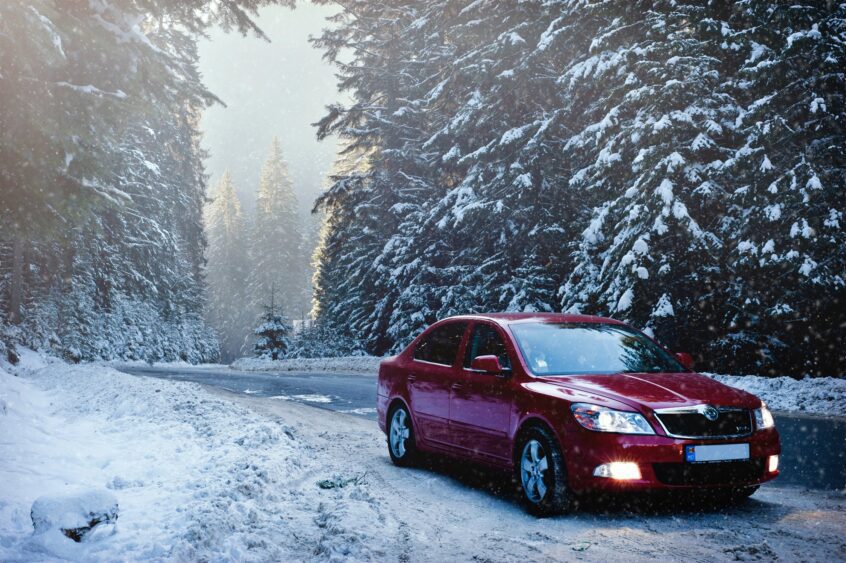

Winter is a time for picturesque landscapes and holiday cheer, but it also ushers in challenging road conditions that can make driving a daunting task. At The Dinelli Law Firm, we prioritize your safety year-round, and that's why we've put together essential winter driving advice to help you navigate treacherous roads confidently. Whether you're a seasoned winter driver or facing your first snowy season, these tips will ensure you stay safe while on the road.
Preparing Your Vehicle for Winter
Before you hit the road in winter, it's crucial to ensure your vehicle is ready to handle the challenges of cold, icy conditions. Here are some steps to consider:- Winter Tires: Consider investing in winter tires, which provide better traction on snow and ice compared to all-season tires. Make sure they are properly inflated.
- Battery Check: Cold weather can be tough on your car's battery. Have it tested to ensure it's in good condition and replace it if necessary.
- Antifreeze and Wiper Fluid: Ensure your vehicle's antifreeze is at the right level to prevent freezing. Also, use winter-grade windshield washer fluid to keep your windshield clear.
- Check Brakes and Lights: Have your brakes inspected to ensure they're in good working order. Make sure all lights, including headlights, taillights, and brake lights, are functioning correctly for visibility.
- Emergency Kit: Equip your vehicle with an emergency kit containing items like blankets, non-perishable food, water, a flashlight, and a first-aid kit.
Safe Driving Tips in Winter Conditions
Once your vehicle is ready for winter roads, follow these important safety tips when driving in dangerous winter conditions to keep yourself and others safe:- Reduce Speed: Slow down and maintain a safe following distance to allow for increased braking distance on icy or snowy roads. It takes longer to stop on slippery surfaces.
- Braking Techniques: Use gentle, steady pressure when applying the brakes. Avoid slamming on the brakes, which can cause skidding. If your vehicle has antilock brakes (ABS), apply firm, continuous pressure.
- Stay Informed: Keep an eye on weather forecasts and road conditions before heading out. If conditions are severe, consider postponing your trip or using public transportation if available.
- Visibility Matters: Clear all snow and ice from your vehicle's windows, mirrors, and lights before driving. Keep your headlights on to improve visibility to other drivers.
- Know How to Handle Skids: If your vehicle starts to skid, steer in the direction you want to go. Avoid sudden movements or overcorrecting, which can worsen the skid.
Navigating winter roads requires preparation, caution, and a commitment to safety. By following these winter driving tips, you can minimize the risks associated with snowy and icy conditions. At The Dinelli Law Firm, we prioritize your well-being, and we're here to support you in staying safe on the road throughout the winter season. Remember, when in doubt, it's always better to err on the side of caution and stay off the roads during severe weather conditions. Safe travels this winter!